The flagship pair of the Mediterranean diet
Extra virgin olive oil is a premium food product made according to principles close to those of wine.
Wine and olive oil are the main pillars of the famous Mediterranean diet, whose benefits keep being confirmed by science, in a world where diseases caused by poor diets are increasingly visible and account for a growing share of deaths.
What they share: the Mediterranean, production, varieties, antioxidants
Like the vine, the olive tree comes from the Mediterranean basin, which remains its main production area. It too began to be cultivated around 4000 BC, and its cultivation was spread first by the Phoenicians, then by the Greeks and Romans.
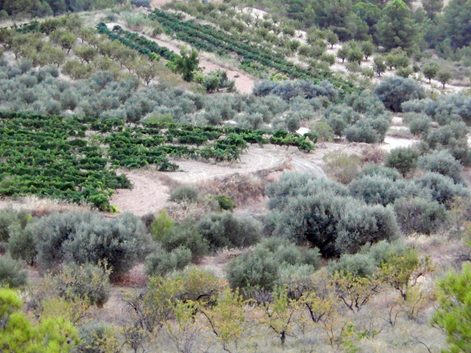
Both come from highly controlled cultivation (hillside growing, irrigation possible but not essential, weeding around the trunks, grafting, treatment of tree and fruit diseases, regular pruning) and from a mechanical pressing process (pressing the fruit, separating the juice from the pulp and the pips or stones, filtering).
Like wine, olive oil can be made from different olive varieties, each with its own sensory characteristics. For olive oil as for wine, there are single-variety products made from different cultivars and more or less complex blends of several cultivars.
Like wine, olive oil contains a relatively large amount of polyphenols, the antioxidants that play an important role in preventing cardiovascular disease and cell oxidation.
The difference: ageing
Wine undergoes alcoholic fermentation and can then age for several years in oak barrels, which improves its sensory qualities.
Olive oil, on the contrary, must never ferment, and any ageing means a slow decline in the quality of the product, both in its chemical composition and in its sensory qualities.